
Disclaimer: This page is an independent educational resource and is not affiliated with or operated by any official organization or service.
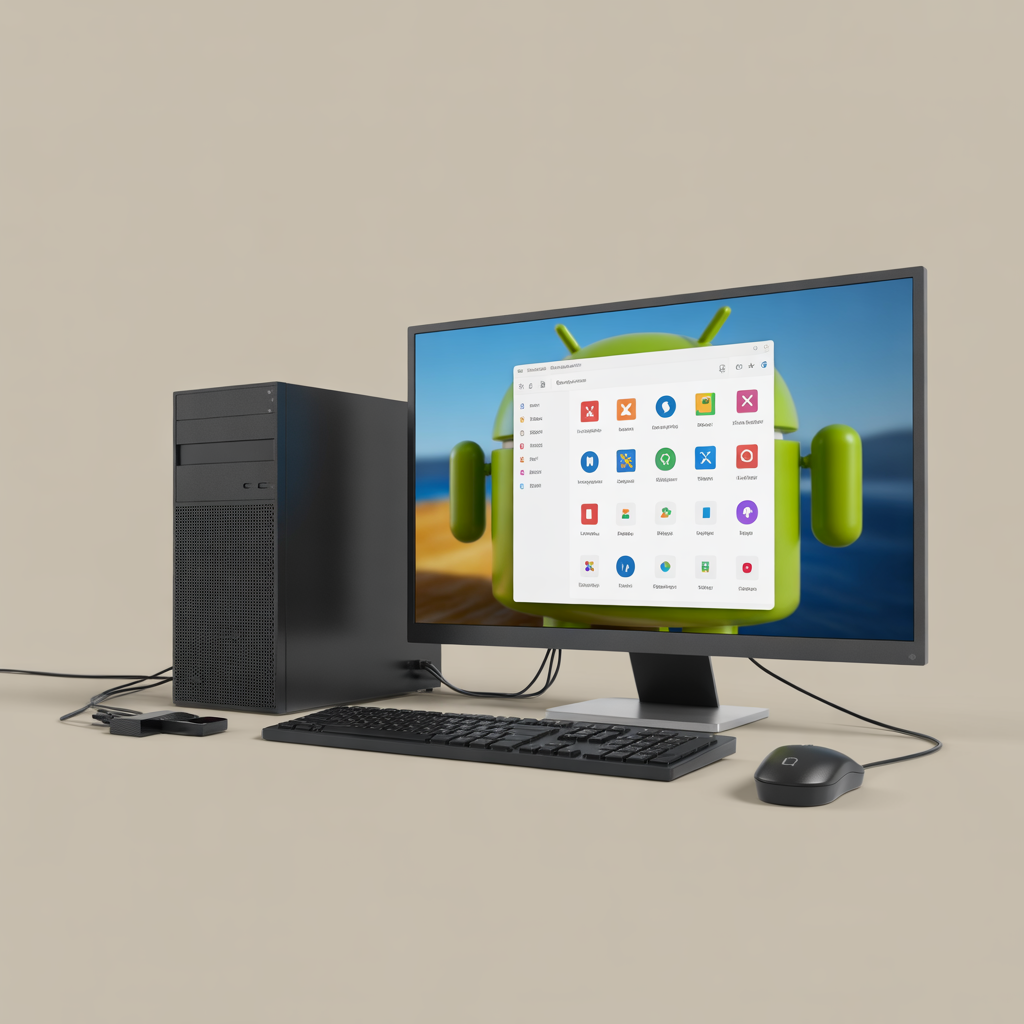
An android emulator represents a layered virtualization framework designed to replicate Android runtime behavior within desktop operating systems. In an android emulator for pc configuration, the system is organized into structured functional categories that govern execution logic, compatibility, and resource mediation. When implemented as an android emulator for windows, the environment follows defined classification principles separating host authority from simulated Android processes. Android on emulator systems therefore operate within logical subdivisions rather than as monolithic software constructs.
Android Emulator Structural Classification Model
The internal structure of an android emulator can be classified into several logical domains:
- Virtualization and instruction translation
- Android framework services
- Resource management modules
- Input and output abstraction layers
- Storage and image containers
Each domain maintains a specific operational role. The virtualization domain mediates processor instructions. The framework domain manages Android system services and background tasks. Resource modules regulate allocation thresholds.
Hierarchical Execution Layers in Android Emulator
Execution in an emulator for android follows a defined hierarchy:
- Host kernel resource distribution
- Virtualization engine mediation
- Android system service activation
- Application runtime handling
This hierarchy ensures operational containment. An android emulator for pc does not bypass host authority but remains dependent on allocated hardware abstractions.
Organizational Logic of Android on Emulator
Android on emulator environments demonstrate organizational logic based on separation of concerns. Functional elements are isolated to prevent overlap:
- CPU abstraction remains within virtualization boundaries
- Memory allocation is segmented
- Disk images operate as independent containers
- Graphics translation is mediated
This segmentation supports predictable runtime stability across desktop systems.
Android Emulator Compatibility Grouping
Compatibility factors may be grouped into categories:
- Processor architecture alignment
- Virtualization extension support
- Graphics driver synchronization
- Operating system version compatibility
An android emulator for windows evaluates these categories before runtime activation. Compatibility grouping clarifies that emulator operation is dependent on structured host alignment.
Conclusion
An android emulator operates through structured classification models dividing virtualization, framework services, and resource management into organized layers. This logical segmentation ensures predictable execution within desktop operating systems while preserving host authority and maintaining compatibility boundaries.
